
Protecting Your Gulf Coast Asset: A Property Manager’s Guide to Vetting Commercial Roofing Contractors
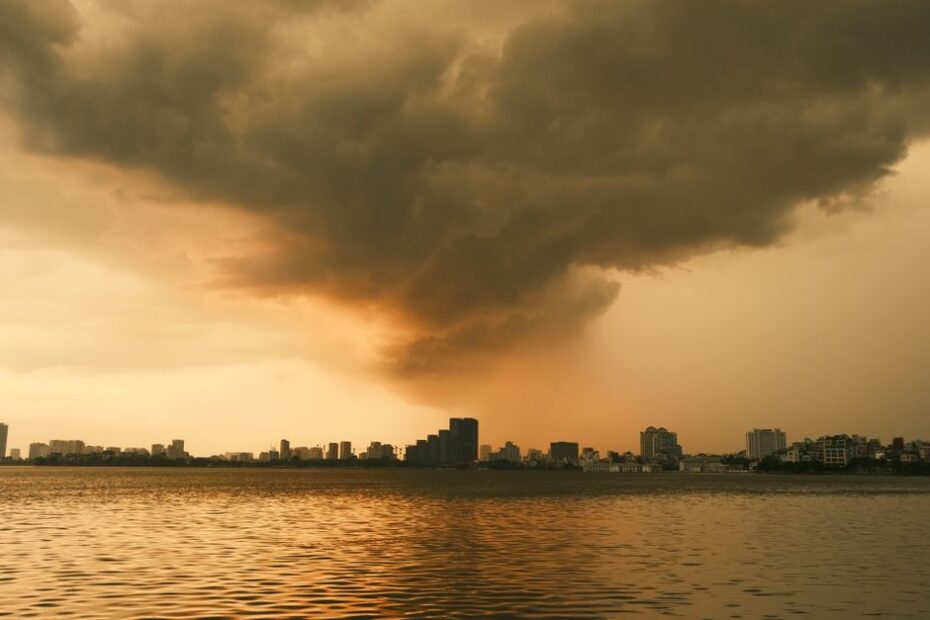
The Gulf Coast is a study in contrasts. One day, the sun beats down with relentless intensity, reflecting off the shimmering Gulf waters. The next, the sky turns a menacing gray as a tropical storm churns offshore, bringing torrential rain and hurricane-force winds. This unique and often harsh environment demands a higher standard for every component of a commercial building, but none more so than its roof. A commercial roof is a building’s first line of defense and a significant capital investment. For property managers, choosing the wrong roofing contractor in this high-stakes environment can lead to catastrophic failures, tenant disputes, and massive financial losses.
At smithcommercialrealty.com, we understand that protecting your commercial asset goes beyond the lease agreements and financial statements. It involves diligent, proactive management of the physical property itself. This guide distills our expertise in asset management into a practical framework for vetting commercial roofing contractors, ensuring you safeguard your investment against the unique challenges of the Gulf Coast.
Key Takeaways
- Vetting roofing contractors on the Gulf Coast requires a specialized approach focused on hurricane-readiness, material durability, and specific insurance coverage.
- Always verify state licensing, general liability, worker’s compensation, and, most importantly, named storm and windstorm insurance coverage before signing any contract.
- Prioritize contractors with a proven, local track record of installing and repairing commercial roofs designed to withstand high winds, heavy rain, and saltwater exposure.
- A detailed contract that clearly outlines the scope of work, specific materials, safety protocols, and robust warranties is your best protection against disputes and poor workmanship.
- Treating vendor selection as a core component of asset protection strategy, as we do at smithcommercialrealty.com, minimizes risk and maximizes property value.
TL;DR
For Gulf Coast property managers, selecting a commercial roofing contractor requires verifying their specific hurricane-rated experience, confirming they hold adequate windstorm insurance, and scrutinizing their proposals for materials and warranties suited for a coastal environment. This diligence is a critical aspect of protecting the long-term value of your commercial real estate asset.
The Unique Environmental Challenges of the Gulf Coast Demand a More Rigorous Vetting Process
The unique environmental challenges of the Gulf Coast demand a more rigorous vetting process for commercial roofing contractors. Simply put, a checklist that works for a property in a landlocked state is dangerously inadequate for a building in a region prone to some of the most severe weather in the country.
Beyond the Standard Checklist
A general vetting process isn’t enough. Your due diligence must account for the “big three” Gulf Coast threats that relentlessly assault a commercial roof:
- High Winds: The most obvious threat comes from hurricanes and tropical storms. According to the National Oceanic and Atmospheric Administration (NOAA), an average hurricane season produces multiple named storms, any of which can cause significant wind uplift forces that can peel a poorly installed roof off a building.
- Corrosive Salt Spray: The air itself is an adversary. Salt-laden moisture from the Gulf is highly corrosive to metal components like fasteners, flashing, and HVAC equipment, leading to premature rust and failure if not properly specified and protected.
- Intense UV Radiation and Heat: The year-round, intense sun bombards roofing materials with UV radiation, causing them to become brittle and break down over time. The high heat also accelerates chemical degradation and can cause thermal shock, where rapid temperature changes stress roofing membranes.
The Cost of Getting It Wrong
Choosing an unqualified contractor can have devastating consequences that ripple through your property’s financials. Premature roof failure leads to extensive interior water damage, destroying tenant property and creating potential mold issues. This often results in voided manufacturer warranties, denied insurance claims, and costly business interruption for your tenants—a direct threat to the property’s value and income stream.
Verifying a Contractor’s State Licensing and Specialized Gulf Coast Insurance Coverage is the First Non-Negotiable Step
Verifying a contractor’s state licensing and specialized Gulf Coast insurance coverage is the first non-negotiable step in protecting your asset. These documents are not mere formalities; they are your primary shield against liability, fraud, and unqualified operators.
Essential Licensing and Credentials
Before engaging in any serious discussion, demand proof of proper credentials.
- State Contractor’s License: Ensure the contractor holds a valid, current license in your state. You can typically verify this online through the state’s Department of Business and Professional Regulation or licensing board, such as the Texas Department of Licensing and Regulation (TDLR). An unlicensed contractor is a massive red flag and exposes you to significant legal and financial risk.
- Manufacturer Certifications: Top-tier contractors often hold special certifications from leading material manufacturers (e.g., GAF Master Elite, Firestone Red Shield, Carlisle Certified Applicator). These certifications indicate that the contractor’s team has received advanced training on specific roofing systems and can offer enhanced, long-term warranties that uncertified installers cannot.
The Insurance Deep Dive: More Than Just General Liability
A standard certificate of insurance is not enough. You must dig deeper to ensure the policy is tailored for the risks of coastal work.
- General Liability & Worker’s Compensation: These are the absolute bare minimum. General liability protects your property from damage caused by the contractor, while worker’s comp protects you from liability if one of their employees is injured on your job site.
- The Critical Additions: For the Gulf Coast, you must specifically request and verify proof of windstorm coverage. Many general liability policies have exclusions for wind damage, especially from named storms. Also, ask about their policy on named storm deductibles. Understanding how their insurance responds after a hurricane is critical information that protects you from being left with a massive, unexpected bill.
A Contractor’s Proven Track record with Similar Gulf Coast Properties and Materials is the Best Predictor of Future Success
A contractor’s proven track record with similar Gulf Coast properties and materials is the best predictor of future success. While licenses and insurance prove legitimacy, a portfolio of successful local projects demonstrates genuine expertise in handling the region’s specific challenges.
Request a Portfolio of Local, Relevant Work
Ask for a list of 3-5 completed projects on commercial buildings of a similar size and type in your local area. A contractor who has successfully roofed a nearby warehouse, retail center, or office building has navigated the same permitting processes, building codes, and weather conditions you face. Take the time to drive by these properties to visually assess the quality of the work. Look for clean lines, properly installed flashing, and an overall professional appearance.
How to Effectively Check References
When you call their references, go beyond the simple “Were you happy?” question. Ask targeted questions that reveal their true performance:

- “How did the contractor handle project management and communication throughout the job?”
- “Was the project completed on time and on budget? Were there any unexpected costs?”
- “How has the roof performed during a major rain event or tropical storm?”
- “Did they maintain a clean and safe job site?”
- “Knowing what you know now, would you hire them again without hesitation?”
Expertise in Coastal-Specific Materials and Systems
A true Gulf Coast roofing expert will guide you toward materials designed for this environment. They should be able to explain why certain systems outperform others. For example, contractors with deep local roots, like the team at Priority Roofing, known for their specialized solutions in the Gulf South since 2012, often have the most relevant experience with these systems.
| Material System | Key Gulf Coast Advantages | Considerations |
|---|---|---|
| TPO or PVC | Heat-welded seams create a monolithic, waterproof barrier highly resistant to wind uplift. White membranes are highly reflective, reducing cooling costs. | Requires certified installers. Seam quality is paramount. |
| Standing Seam Metal | Excellent wind resistance. Modern coastal-grade coatings (like Kynar 500®) provide superior resistance to salt spray corrosion and color fading. | Higher initial cost. Can be dented by hail. |
| Modified Bitumen | Multi-ply systems offer excellent durability and redundancy. Can be installed with “cool roof” granulated surfaces for energy efficiency. | Can be heavier than single-ply systems. Requires skilled application. |
A Detailed, Transparent Proposal and a Comprehensive Contract are Essential Tools for Prevention
A detailed, transparent proposal and a comprehensive contract are essential tools for preventing costly misunderstandings and project delays. Vague agreements are a breeding ground for disputes, scope creep, and unexpected charges.
Deconstructing the Proposal: What to Look For
Do not accept a one-page “estimate.” Demand a multi-page, detailed “proposal” that clearly outlines every aspect of the project. Key components include:
- Itemized Scope of Work: A step-by-step description of the entire process, from tear-off of the old roof to final inspection.
- Specific Materials: The proposal must list the exact brand and product names for all major components (e.g., “Firestone UltraPly™ 60-mil TPO membrane,” not just “white roofing”).
- Tear-Off and Disposal Plan: How will the old roof be removed and where will the debris be taken?
- Safety Plan: A description of the safety protocols that will be followed to protect your property, tenants, and their crew.
- Projected Timeline: A clear start and estimated completion date.
Scrutinizing the Warranty: Manufacturer vs. Workmanship
Understanding the two types of warranties is crucial for long-term protection.
Manufacturer Warranty: This covers defects in the roofing materials themselves. These can range from 10 to 30 years but are often filled with exclusions.
Workmanship Warranty: This is provided by the contractor and covers defects in the installation. This is arguably the more important warranty, as improper installation is a common cause of roof failure and can completely void the manufacturer’s warranty. Insist on a strong workmanship warranty of at least 2-5 years, if not longer.
Proactive Asset Protection, a Core Principle at smithcommercialrealty.com, Involves Diligent Vendor Selection
Proactive asset protection, a core principle at smithcommercialrealty.com, involves treating vendor selection with the same diligence as tenant leasing or financial analysis. The health of your roof is directly tied to the financial health of your asset.
The Property Manager as a Risk Manager
The process of vetting a roofing contractor is not just a maintenance task; it’s a fundamental risk management function. A durable, well-installed roof protects against catastrophic loss, ensures tenant satisfaction, and maintains the building’s structural integrity. These factors directly impact your property’s Net Operating Income (NOI) and overall valuation. A leaky roof can quickly lead to vacant space and a declining asset value. This guide is just one part of a holistic asset protection strategy. For a full overview of our insights, you can explore our complete list of posts and site resources.
Building a Roster of Pre-Vetted Partners
The worst time to find a roofer is right after a hurricane has hit. This is when demand skyrockets, reputable contractors are overwhelmed, and unscrupulous “storm chasers” flood the market. Smart asset management involves vetting and building relationships with qualified local contractors before an emergency strikes. Having a go-to expert like the trusted Baton Rouge, LA, and Mississippi Gulf Coast professionals at Priority Roofing on standby can be invaluable when you need a rapid, reliable response.
Recognizing Common Red Flags Can Save You From Disastrous Hiring Decisions
Recognizing common red flags, such as high-pressure sales tactics or unusually low bids, can save property managers from disastrous hiring decisions. Trust your instincts; if a deal seems too good to be true, it almost certainly is.
Warning Signs to Watch For
Be on alert for these warning signs during the bidding process:
- Requests for a large upfront payment or the full amount in cash.
- High-pressure sales tactics (“This special price is only good for today!”).
- Vague, non-itemized, or handwritten proposals.
- An inability or unwillingness to provide insurance certificates, license numbers, and local references.
- An out-of-state license plate or a P.O. box for a business address, especially right after a major storm.
- A bid that is significantly lower than all other competitive bids, which often indicates subpar materials, an inexperienced crew, or an incomplete scope of work.
A Final Word on Protecting Your Investment
Ultimately, the diligence invested in vetting commercial roofing contractors is a direct investment in your property’s resilience and long-term profitability. For a Gulf Coast asset, the roof is arguably its most critical component, constantly battling sun, salt, and storms. By following a rigorous process—verifying specialized insurance, checking local hurricane-rated experience, demanding a detailed contract, and thinking like a risk manager—you transform a necessary expense into a strategic defense of your asset’s value.
Protecting your asset is a full-time job. At smithcommercialrealty.com, our expertise in property and asset management provides owners with peace of mind, knowing that every decision is made with the goal of maximizing value and minimizing risk in the unique and demanding Gulf Coast market.