Commercial properties face unique challenges regarding energy consumption, and roofing plays a critical role in this equation. Energy efficient roofing solutions for commercial properties have gained immense popularity as businesses strive to reduce energy costs, minimize environmental impact, and adhere to sustainability goals. These innovative roofing options enhance the building’s efficiency and contribute to significant savings. Let’s delve into the different aspects of sustainable roofing and how it can revolutionize your commercial space.
Benefits of Energy Efficient Roofing Solutions
Energy-efficient roofing solutions offer a multitude of benefits that go beyond just cutting down on utility bills. Firstly, they reduce energy consumption by keeping the interior of the building cooler in summer and warmer in winter, thus lowering HVAC usage. This results in lower energy costs and a smaller carbon footprint, contributing to environmental conservation. Additionally, energy-efficient roofs extend the roofing system’s lifespan, as they experience less wear and tear from temperature fluctuations, UV exposure, and weather elements. The increased durability and reduced maintenance translate into substantial savings over time.
Understanding Commercial Roofing
Commercial roofing differs significantly from residential roofing in design, materials, and installation methods. Commercial roofs are typically flat or have a low slope, making them more susceptible to heat absorption and water pooling. This means that efficiency is a key concern for such buildings, requiring roofing systems that can withstand weather elements while minimizing heat gain or loss. The choice of commercial roofing materials and systems dramatically influences the energy efficiency of the properties.
Factors Influencing Energy Efficiency in Commercial Roofs
Several factors determine how energy-efficient a commercial roofing system can be. These include:
- Roof Material: Some materials reflect more sunlight and absorb less heat, enhancing energy efficiency.
- Insulation: Proper insulation prevents heat transfer, maintaining a comfortable indoor temperature.
- Color: Lighter-colored roofs tend to reflect heat, while darker colors absorb it.
- Roof Coatings: Special coatings can reflect UV rays and reduce heat absorption.
- Maintenance: Regular maintenance ensures the roof remains in optimal condition, maximizing efficiency.
Green Roofing Systems for Commercial Properties
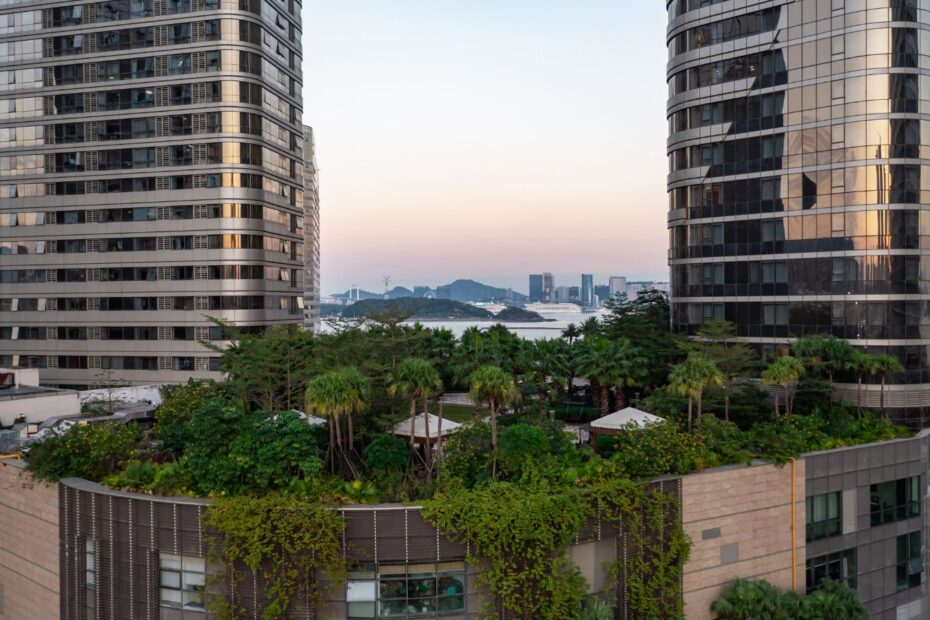
Green roofing, often called living roofs, involves installing vegetation over a waterproof membrane. This energy-efficient roofing solution offers multiple benefits, such as natural insulation, reducing urban heat island effects, and improving air quality. Green roofs also absorb rainwater, reducing runoff and offering a pleasant aesthetic. For commercial properties, green roofs can serve as recreational spaces or even support urban agriculture, making them an innovative and multifunctional choice.
Cool Roofing Solutions for Commercial Buildings
Cool roofing solutions are designed to reflect more sunlight and absorb less heat than standard roofing materials. These roofs use reflective coatings or materials that maintain lower temperatures, thus reducing the need for air conditioning. This reduces energy expenses and prolongs the roof’s lifespan by reducing thermal shock. Cool roofing solutions are ideal for commercial buildings with high cooling costs in hot climates.

Solar Roofing as an Energy Efficient Solution
Solar roofing is one of the most effective energy efficient roofing solutions for commercial properties. By integrating solar panels into the roofing system, businesses can generate electricity, significantly reducing energy bills. Solar roofs are sustainable and offer an opportunity to sell excess energy back to the grid, providing an additional revenue stream. The initial investment might be high, but government incentives and long term savings make solar roofing an excellent option.
Reflective Roofing Materials for Commercial Properties
Reflective roofing materials are designed to bounce back a significant portion of the sun’s rays, preventing heat absorption. They can be applied as a coating or as specialized roofing sheets. Reflective roofs are particularly beneficial for commercial properties in hot climates, as they help maintain cooler indoor temperatures, reducing the need for air conditioning and lowering energy consumption.
FAQs
What makes a roofing system energy efficient?
An energy-efficient roofing system minimizes heat transfer, reduces energy consumption, and uses materials that reflect sunlight, provide insulation, and contribute to lower utility costs.
Are there government incentives for installing energy efficient roofs?
Many governments offer tax credits, rebates, and grants to businesses installing these roofing systems.
Can energy efficient roofing be installed on existing buildings?
Absolutely! They can be retrofitted onto existing buildings to enhance energy performance and reduce operational costs.
Do these roofs require special maintenance?
Energy efficient roofs generally require the same level of maintenance as traditional roofs but with added emphasis on keeping reflective surfaces clean and ensuring insulation remains effective.
Is a green roof suitable for all commercial buildings?
While green roofs offer many benefits, they may only be ideal for some buildings due to structural weight limitations or maintenance requirements. Always consult a roofing expert before proceeding.
Conclusion
Investing in energy efficient roofing solutions for commercial properties is a forward-thinking decision that offers substantial financial savings, reduces environmental impact, and enhances building comfort. Whether it’s a green roof, cool roof, or solar roofing system, each option provides unique advantages that cater to different commercial needs. By embracing energy-efficient roofing, businesses can achieve a sustainable, cost-effective, and resilient future.